


Last Updated: 2026.03.09
to Japanese page
UNIQLO product development and improvement stem from customer feedback.
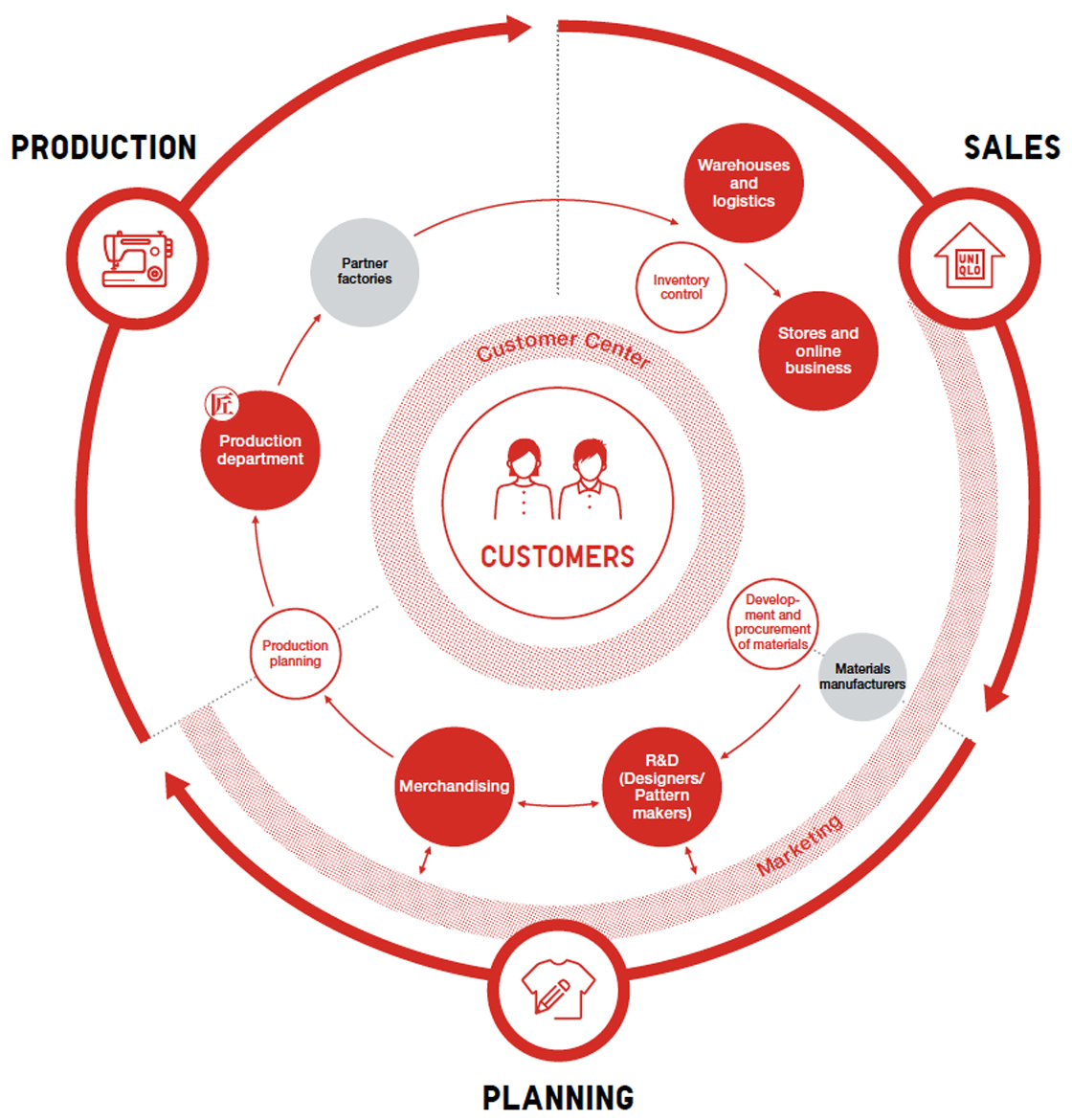
Our strength lies in our comprehensive management of clothing design and planning through production, distribution, and retail. As more people seek out clothes that make their day comfortable and enjoyable, global support for LifeWear is growing.
Research & Development (Designers/Pattern Makers)
-
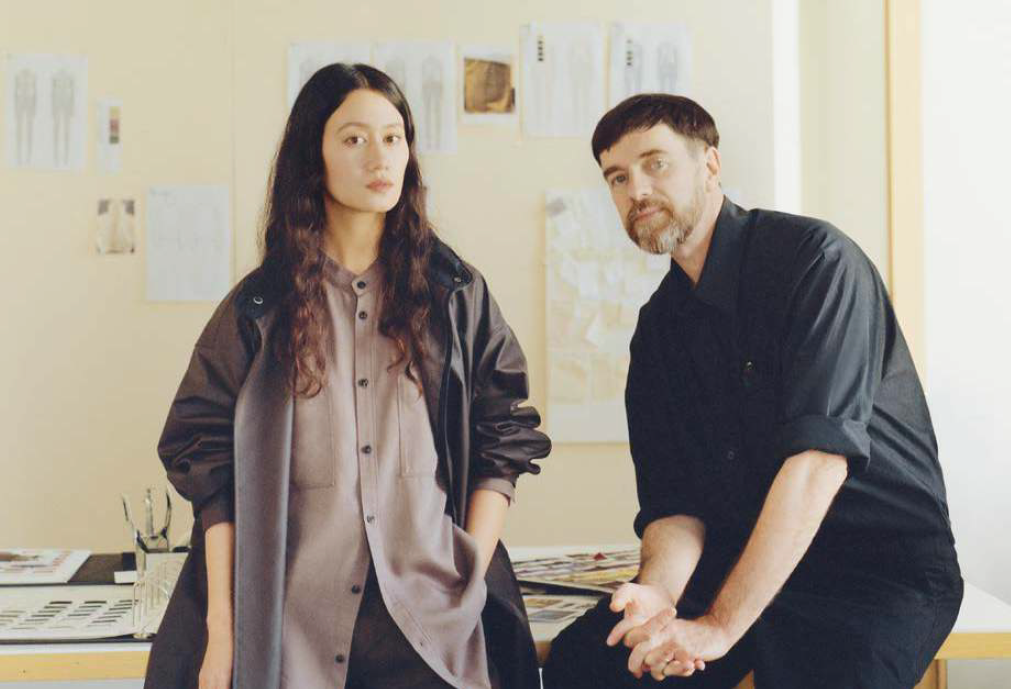
Co-Artistic Directors Christophe Lemaire and Sarah-Linh Tran lead the UNIQLO Paris R&D Center and are responsible for the Uniqlo U collection.
-
An important part of R&D at UNIQLO is developing products that respond to customer requests, while also identifying emerging needs. Accordingly, our UNIQLO R&D centers constantly incorporate customer opinion while researching global fashion trends and new materials. One year before a product's launch date, UNIQLO representatives from teams including R&D, merchandising, marketing, and materials development hold a concept meeting to determine the designs, materials (including those with low environmental impact), and product lineup for the season. Based on those decisions, our designers begin work and turn their designs into samples. Even after a design is selected, its color and silhouette may be refined multiple times before it is truly finalized.

Merchandising
-
-
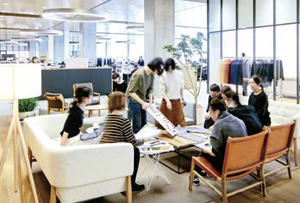
The merchandising team plays a vital role in the product creation process, from product planning through production. Deciding product lineups and volumes through the year is an important aspect of the department's job. To do this, merchandisers communicate closely with R&D, the production department, and other divisions to determine the designs and materials required for each season's products. They also manage the launches of our strategic products in close cooperation with other key departments. Many UNIQLO products are manufactured in lots of roughly 1 million units. The merchandising department monitors sales conditions throughout the season, issuing instructions to increase or decrease production. The team's key responsibilities include minimizing surplus stock and shortages, so that all ordered items are sold.
Development and Procurement of Materials
-
-
UNIQLO can secure stable, high-volume supplies of top-quality materials at low cost by negotiating directly with materials manufacturers worldwide. Utilizing our economies of scale enables us to achieve more favorable terms than any other manufacturer. The materials used for our core items are particularly important. Each season, we improve the functionality, feel, silhouette, and texture of our clothes based on customer feedback. For example, we work closely with Kaihara to source denim to specific spinning standards and dyeing specifications. We also partner with worldleading synthetic fiber manufacturer Toray Industries to create innovative new fibers and materials such as the ones found in our HEATTECH range.
Production Network
-
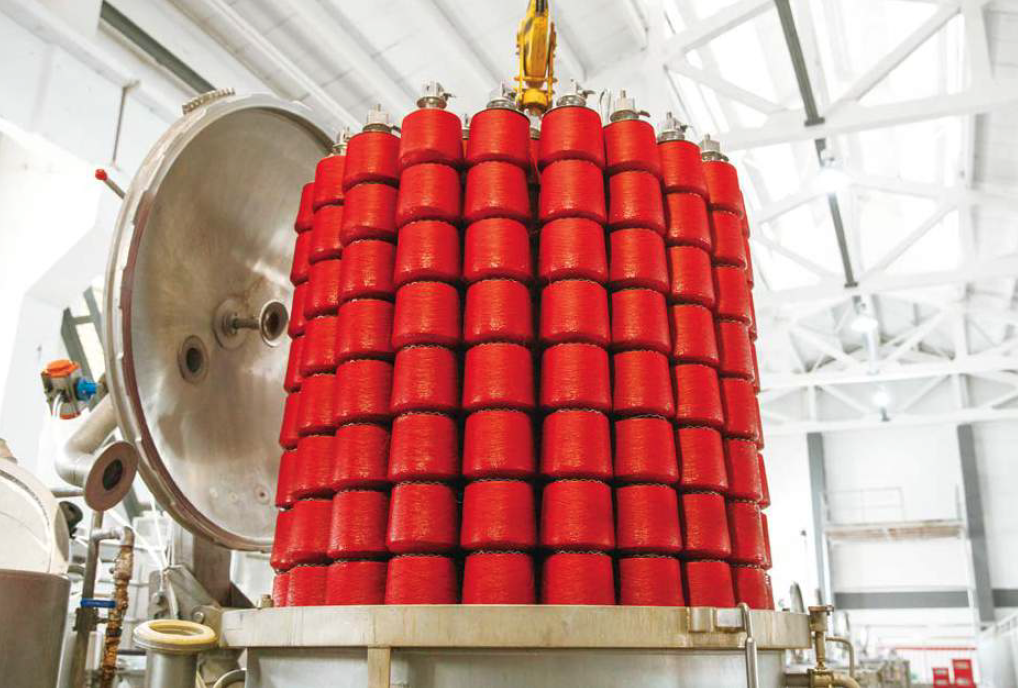
UNIQLO partner dyeing factory
-
UNIQLO outsources the production of most products to partner factories in Mainland China, Vietnam, Bangladesh, Indonesia, and India. We have built strong trust with our partner factories over many years and hold an annual conference to facilitate frank dialogue with factory managers. We conduct regular audits of human rights, working environments, and management systems at all garment factories, core fabric mills and core spinning mills for UNIQLO cotton products and core auxiliary material factories. We assist low-scoring factories with the implementation of improvements. Starting in 2024, we also began introducing periodic audits for cashmere fiber‑cleaning factories and spinning mills involved in producing our 100% cashmere products. UNIQLO continues to ensure responsible procurement and high-quality products by maintaining win-win relationships with partner factories.
Production Department
-
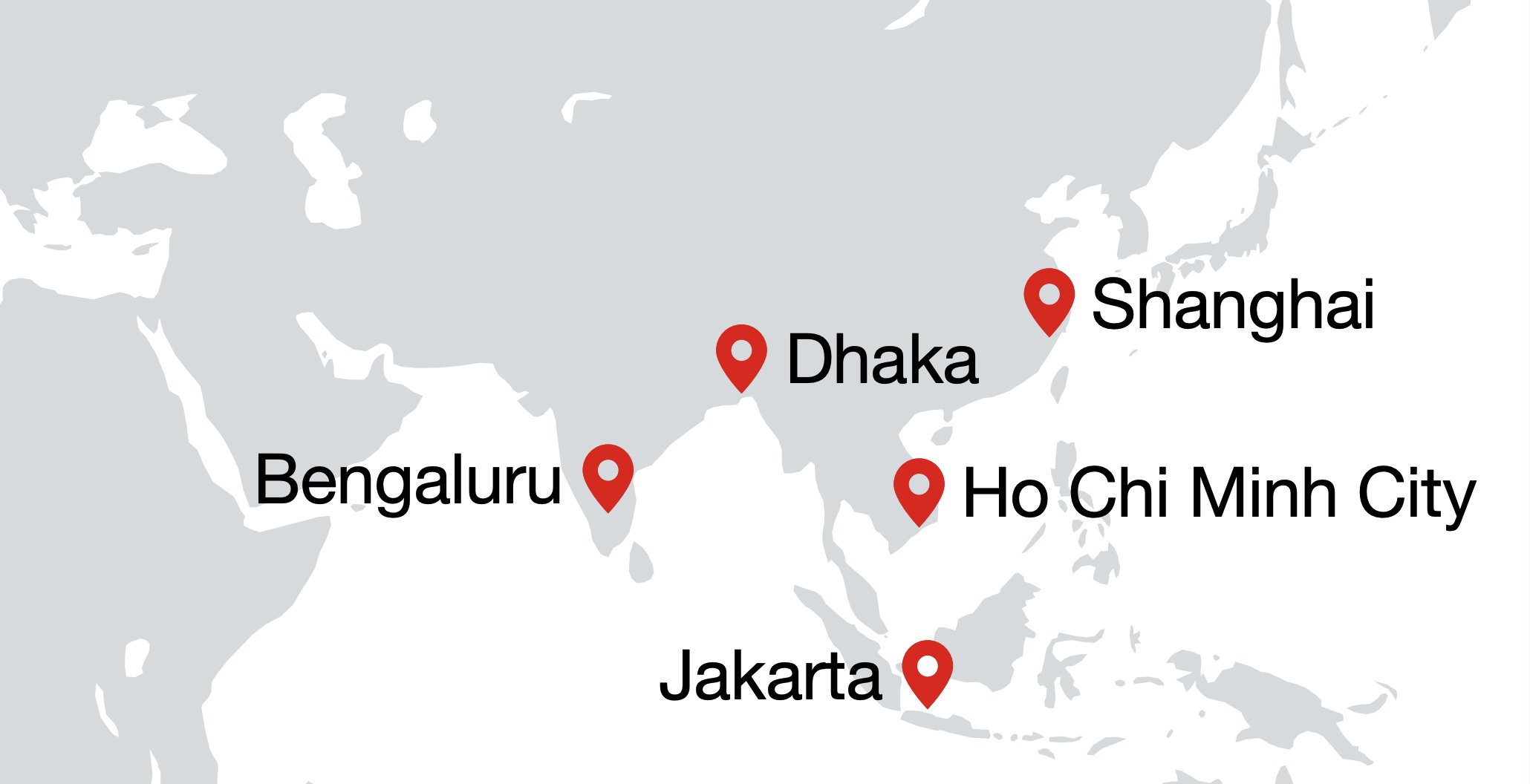
UNIQLO Production Offices
-
We assign production department members, who manage product quality and production progress, and Takumi (skilled artisans) to production offices in Shanghai, Ho Chi Minh City, Dhaka, Jakarta, and Bengaluru. Production office representatives visit factories weekly to resolve any issues and ensure quality management right there on the factory floor. The production department swiftly addresses any quality concerns raised by customers and implements improvements if required.
UNIQLO Takumi Teams
-
-
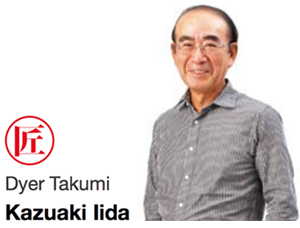
By visiting factories and providing technical advice, Takumi establish thorough quality control and a strong relationship of trust. "I offer instruction on dyeing technology at partner factories, and this can encourage workers to embrace a new production management philosophy and to improve their factories. I am proud to be passing on expert Japanese techniques to the next generation."
Inventory Control
-
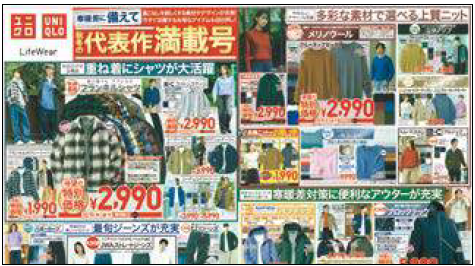
Flyer included in Japanese newspapers
-
The inventory control team works to improve management efficiency by supplying inventory that reflects the sales capabilities and product sales of each individual store. The team monitors sales and stock daily at each store and dispatches inventory to fulfill orders and maintain appropriate inventory levels. At the end of each season, merchandisers and the marketing department identify popular items and other products for continued sale, and determine the right timing for any change in prices.
Marketing
-
Online advertisement
-
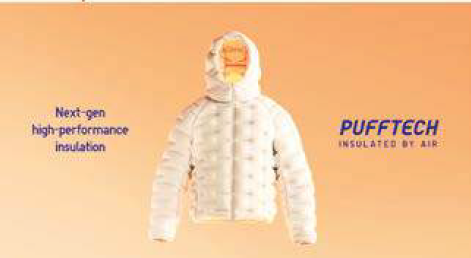
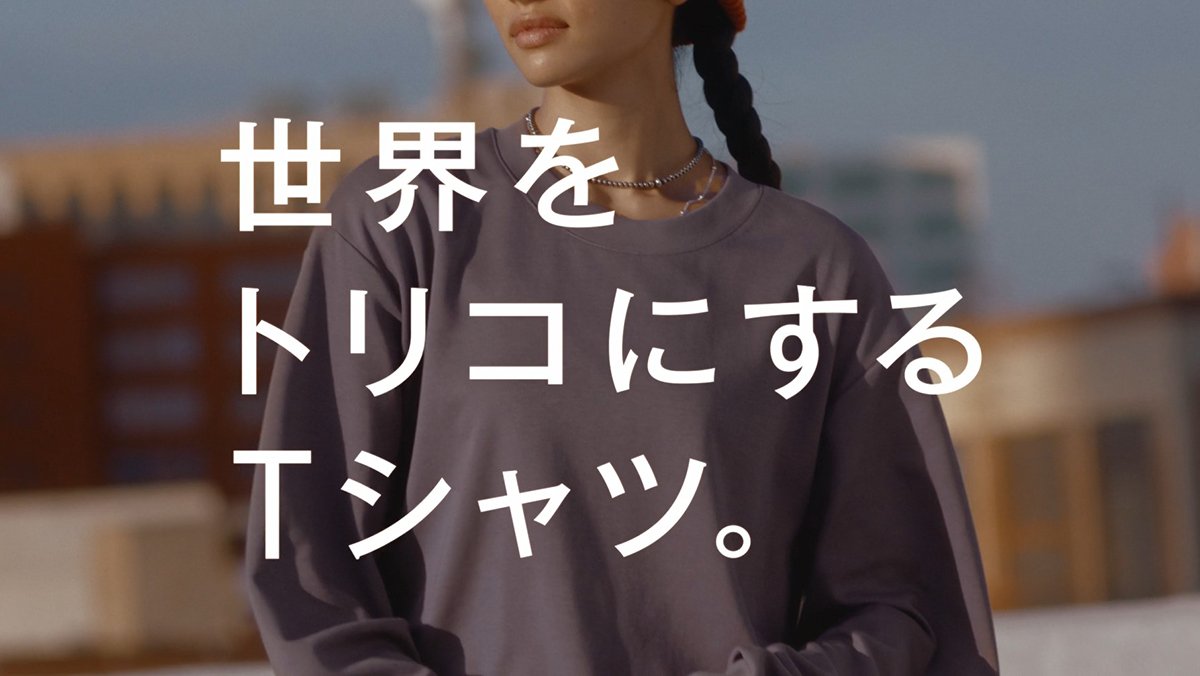
Each season, UNIQLO conducts promotional campaigns for core products such as HEATTECH, PUFFTECH, AIRism, and Bra Tops. During the campaigns, UNIQLO advertises the products' unique qualities and features through TV commercials and online ads. We use UNIQLO apps, email, social media, and flyers delivered with newspapers to notify customers about limited-period discounts, typically of 20-30%, on new seasonal ranges.
Stores
-
UNIQLO roadside store
-
At the end of August 2025, UNIQLO Japan had 794 stores. UNIQLO International boasted more than twice that number at 1,725 stores, including 1,008 in Greater China; 132 in South Korea; 397 in Southeast Asia, India & Australia; 106 in North America; and 82 in Europe. We are enhancing LifeWear branding by replacing some existing stores with higher-quality ones and accelerating the opening of large-format and global flagship stores.
 UNIQLO store openings/closings (Japan)
 You can see photos of UNIQLO Japan stores in Photo Library.
Photo Library | UNIQLO Japan
You can see photos of UNIQLO International stores in Photo Library.
Photo Library | UNIQLO International

E-commerce
-
-
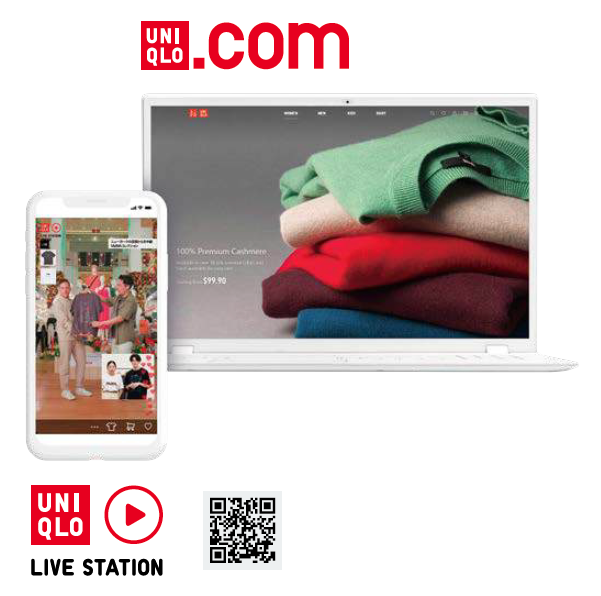
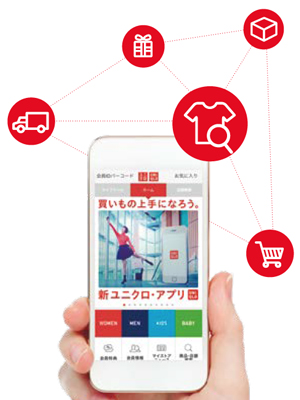
Our e-commerce operation is growing increasingly important as more customers shop both online and in store. In FY2025, online sales accounted for roughly 15% of total sales (14.8% in Japan; roughly 20% each in Greater China, South Korea, North America, and Europe; and roughly 10% in Southeast Asia, India & Australia). To meet customer needs, we intend to expand services that facilitate different purchasing and delivery options, improve the convenience of our online store and app, and strengthen our information-sharing platforms through services including UNIQLO LIVE STATION.
Customer Center
-
-
We have Customer Centers in all markets where we operate, and we receive over 39 million pieces of customer feedback annually. By collecting, analyzing, and sharing this information with product departments, stores, and employees in a timely manner, these centers play a leading role in the development of our products and services. Most customer service at these centers is handled by employees. We now use AI to significantly increase the accuracy and speed of customer feedback analysis and dissemination.